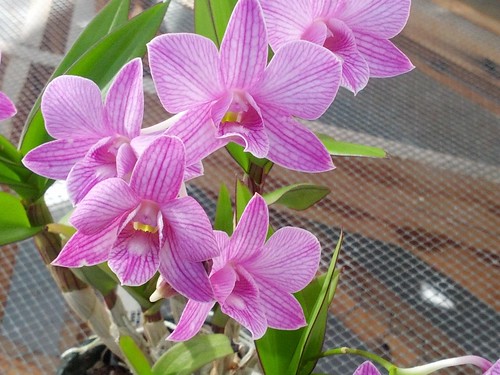
Dendrobium 'Hawaii' "Million Stipe"
posted by Jane Young @ 1:08 PM

The Wheaton College greenhouses were built in the mid 1960's through a grant by the Esso Education Foundation. This site is a log of notable changes in the plants in these greenhouses.
Cymbidium orchids florish in mountainous terrains, originating in the Himalayas. They appreicate cool nights where the temperature drops to 50 degrees F. Flower spikes form at the base of the newest pseudobulbs.

posted by Jane Young @ 12:59 PM
The bloom of the Epidendrum Ciliare appears in the winter months. Native to Mexico and the West Indies, the Epidendrum grows as pseudobulbs from shizomes.
posted by Jane Young @ 12:58 PM
This "Moth orchid" member of the Orchidaceae familiy has beautiful blooms of yellow with maroon markings and a scarlet lip.

posted by Jane Young @ 12:57 PM
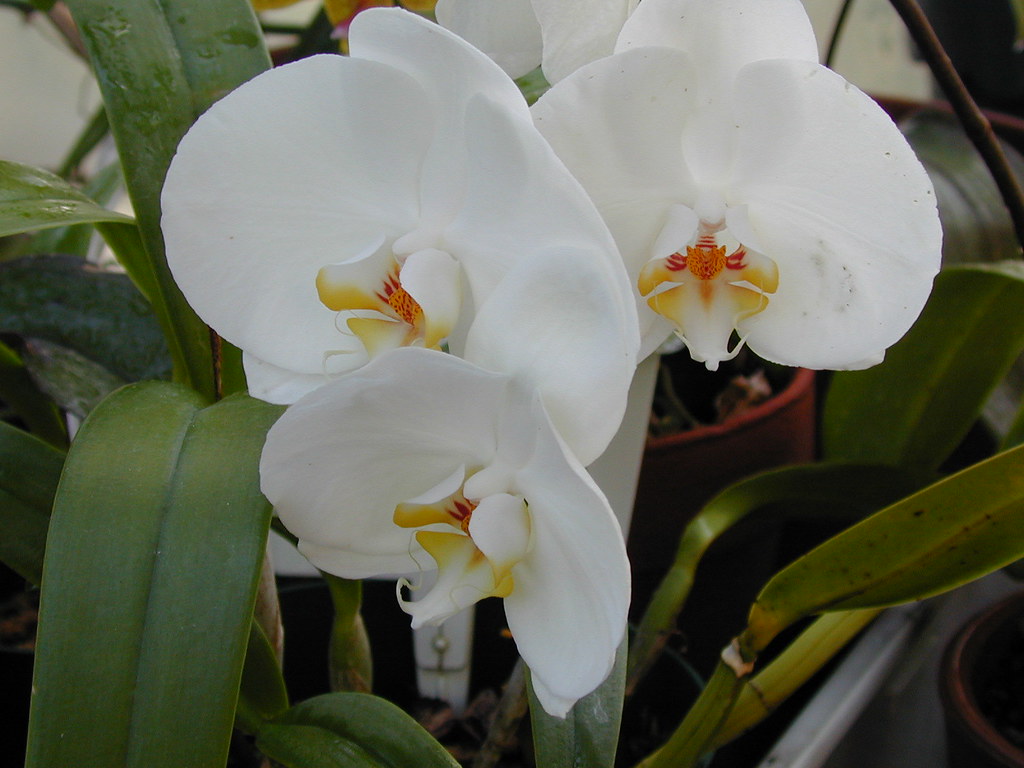
Commonly called "moth orchids", Phalaenopsis are among the easiest of the orchids to grow. They tolerate low light and produce many long lasting flowers. As the blooms fade, the stalk should be cut just below where the first bloom occurred to produce branching and additional blooms.
posted by Jane Young @ 1:36 PM
This beautiful hybrid member of the Orchidaceae family sports a lovely lavender inflorescence.
posted by Jane Young @ 12:09 PM
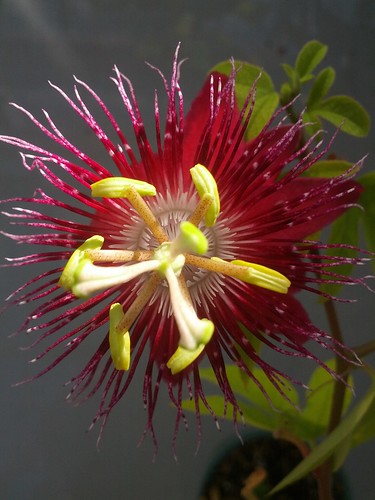
This member of the Passifloraceae is a hybrid with a glorious burgundy colored inflorescence.
posted by Jane Young @ 11:47 AM
Orginating in India to China, this "Chinese hibiscus" has single scarlet flowers, with a blackish center. The long staminal column has golden anthers.

posted by Jane Young @ 12:18 PM
Anthurium is a member of the Araceae family. Requiring high humidity and tolerating low light, these plants are also known as "Tail flowers" due to the spathe and spadix shown here.
posted by Jane Young @ 12:16 PM
The Chamaedorea elegans is a member of the Palmae family and is commonly known as "dwarf mountain palm" or "parlor palm". Mexico is the native country for this lovely specimen which likes warm air, evenly moist soil and partial sun to shade. Clusters of fruit develop from flower spikes.
posted by Jane Young @ 11:23 AM
A native of Puerto Rico and Florida, this member of the Agavaceae (Liliaceae) family grows as dense rosettes. Draceana deremensis 'Compacta' is easily grown and maintained.
posted by Jane Young @ 2:05 PM

posted by Jane Young @ 3:20 PM

posted by Jane Young @ 3:01 PM
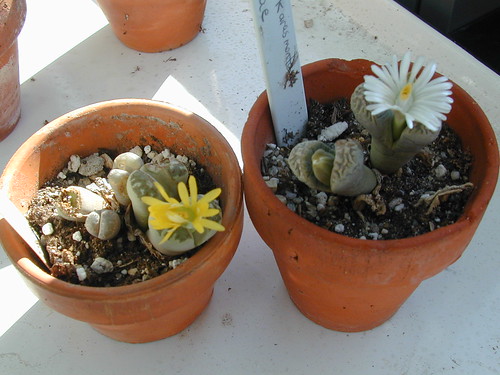
Lithops, or "Living stones" as they are known commonly, are members of the Aizoaceae family. Originating in South Africa, these succulents come equipped with solar panels on the surface of the modified leaves that trap the solar energy needed to sustain life.
posted by Jane Young @ 2:50 PM
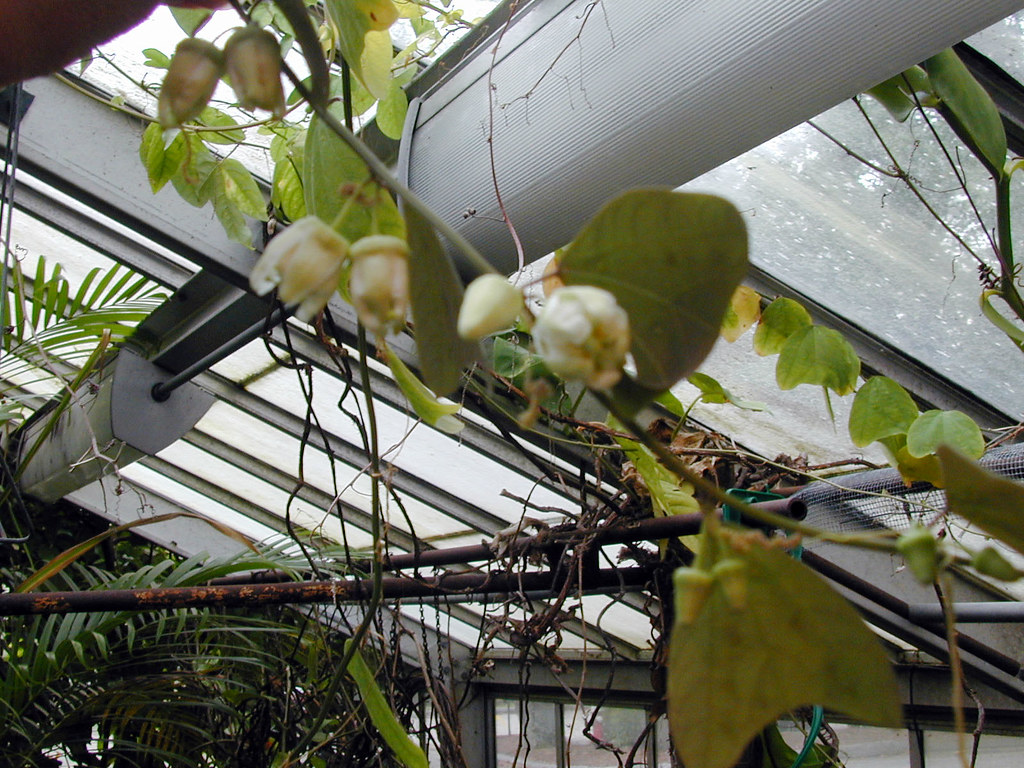
Here is a closeup of the Passiflora biflora in bloom.
posted by Jane Young @ 11:48 AM
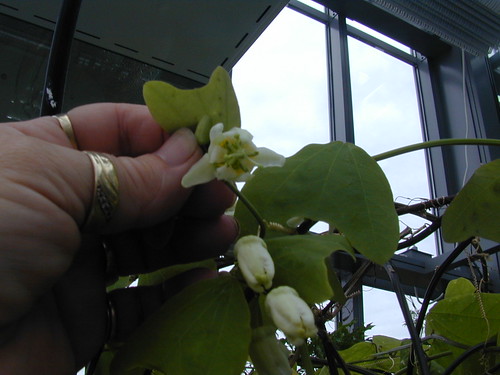
A member of the Passifloraceae family, Passiflora biflora is a native of Guate-Guate.
posted by Jane Young @ 11:37 AM
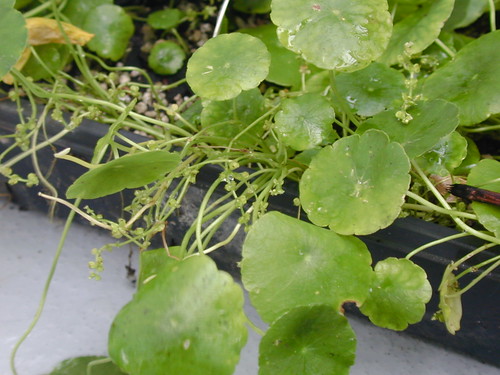
Hydrocotyle originates in Tropical Asia and Africa. A member of the Umbelliferae family, it is commonly known as "Water penny wort" and is a dwarf amphibious herb. The small white flowers are pictured here.
posted by Jane Young @ 1:30 PM
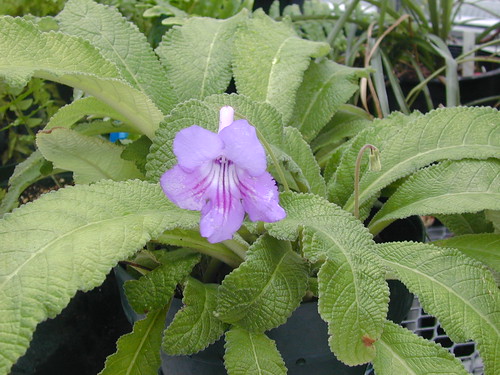
A member of the Gesneriaceae family, the "Cape primrose" is a native to Africa.
posted by Jane Young @ 1:27 PM
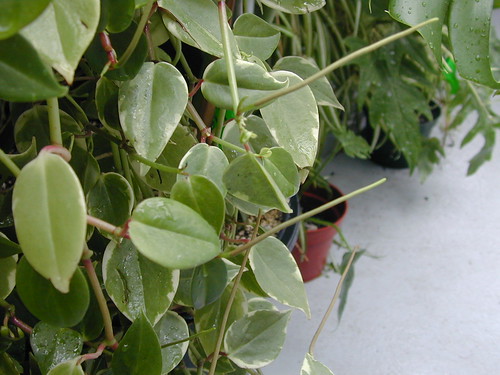
Commonly known as "Variegated philodendron leaf", this member of the Piperaceae family is a hanging variety that sports large rat-tail inflorescence.
posted by Jane Young @ 1:25 PM
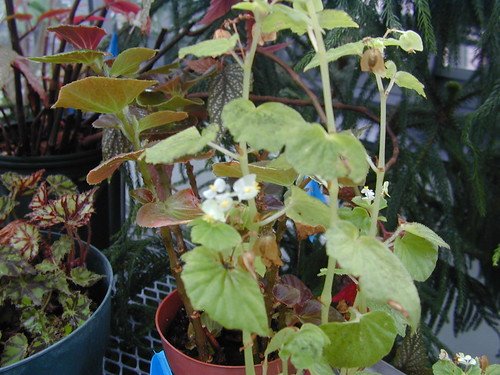
A member of the Begoniaceae family and commonly called "Wax begonia", this species has white flowers and succulent stems.
posted by Jane Young @ 1:23 PM
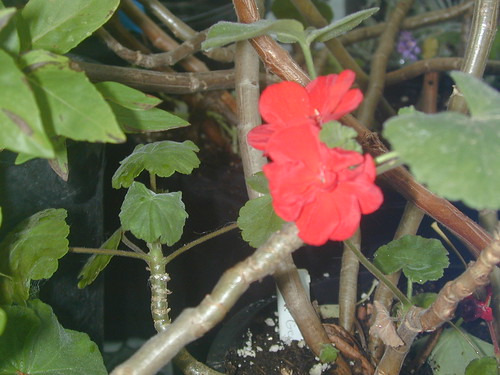
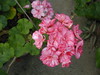
Commonly known as geraniums, the Pelargonium is a member of the Geraniaceae family. South Africa is the country of origin for these colorful bedding plants.
posted by Jane Young @ 1:20 PM
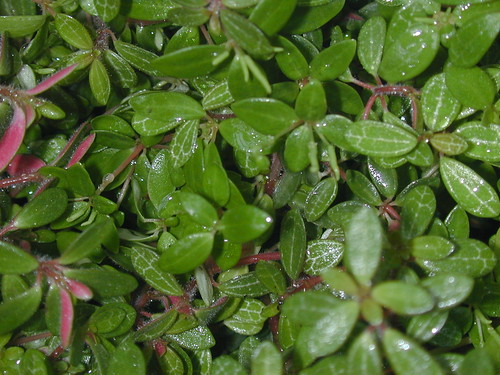
Originating in Mexico, this member of the Piperaceae family has whorls of tiny leaves and small rat-tail inflorescence, pictured here.
posted by Jane Young @ 1:18 PM
A member of the Labiatae family, the blooms on Coleus are often removed to keep the foliage colorful and strong. Pictured here is the inflorescence of the Colues, a plant that originates in Java.
posted by Jane Young @ 1:14 PM
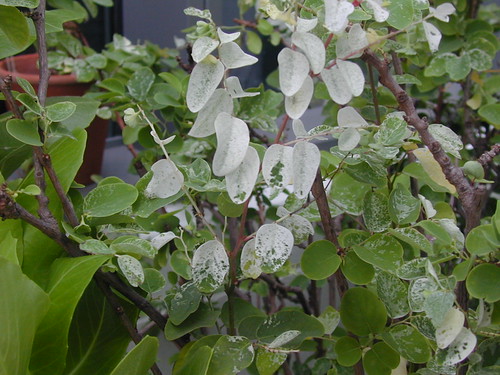
A member of the Euphorbiaceae family, this plant has a color form called "Leaf flower". This picture, however, shows the true inflorescence. Known as "Snowbush", this plant is native to the South Sea Islands.
posted by Jane Young @ 1:10 PM
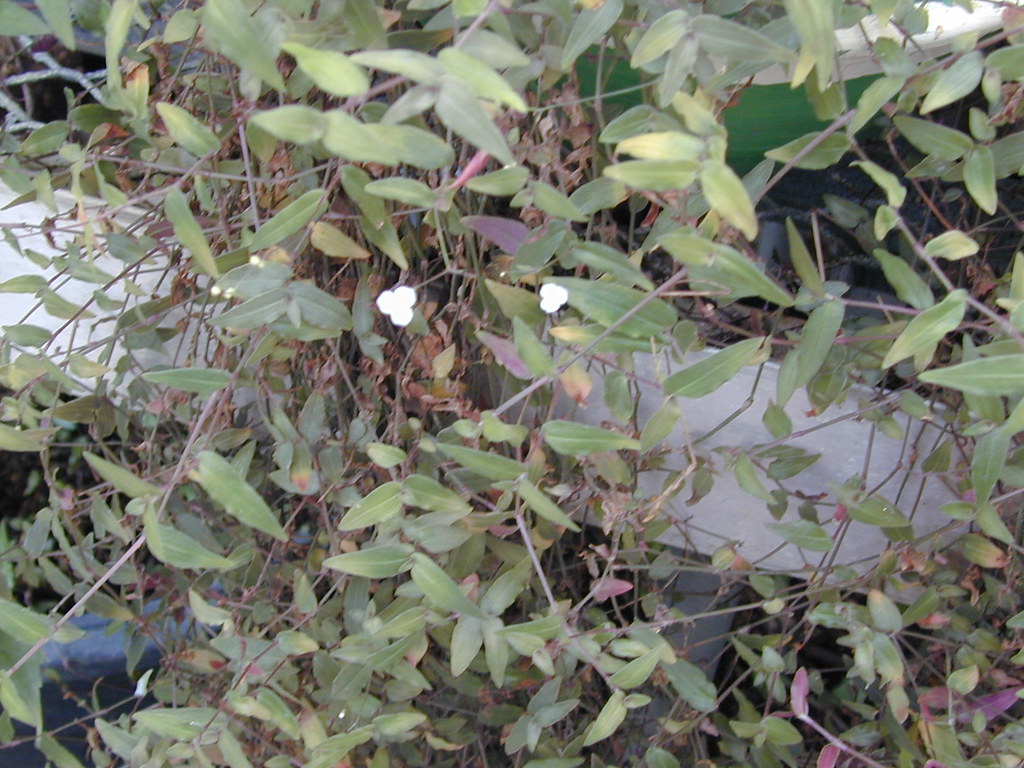
A member of the Commelinaceae family, Gibasis geniculata is commonly known as "Tahitian bridal veil". This plants originates in Tropical America and has green leaves with purplish backs and tiny white flowers.
posted by Jane Young @ 1:16 PM
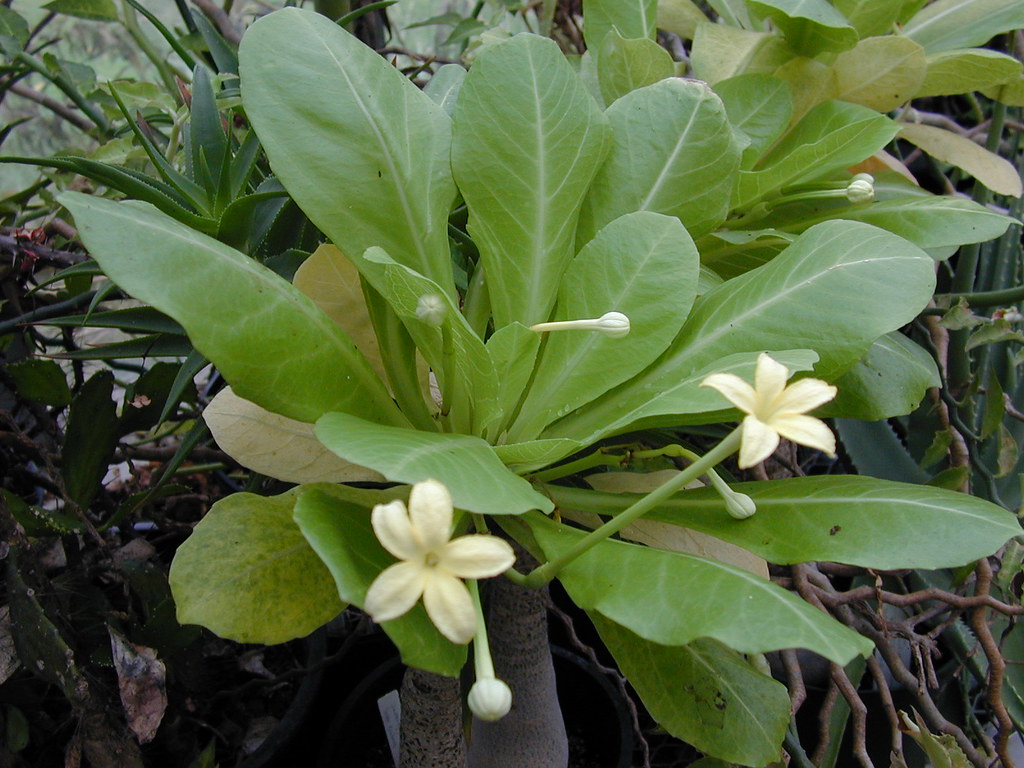
Brighamia citrina, once thought to be a member of the Lobeliaceae family, is now identified as belonging to the Campanulaceae family. This change was made due to the pollen being ready before the stigma is viable, as is true of the Campanulaceae group.
posted by Jane Young @ 11:54 AM
"Rubra alba", or Oxalis, of the Oxalidaceae family, is from South America. The three-segmented leaves have straight-lined apices. Growing from tuberculate rhizomes, the plant flowers freely.

posted by Jane Young @ 11:46 AM
Begonia x 'Bow-Arriola' is a stiking member of the Begoniaceae family having a rhizomatous root formation. Propagation can be done from a single leaf laid flat on moist perlite until a new crown is formed.

posted by Jane Young @ 11:31 AM
Close up of a Pinwheel geranium flower. This plant is a member of the Geraniaceae family.
posted by Jane Young @ 11:54 AM
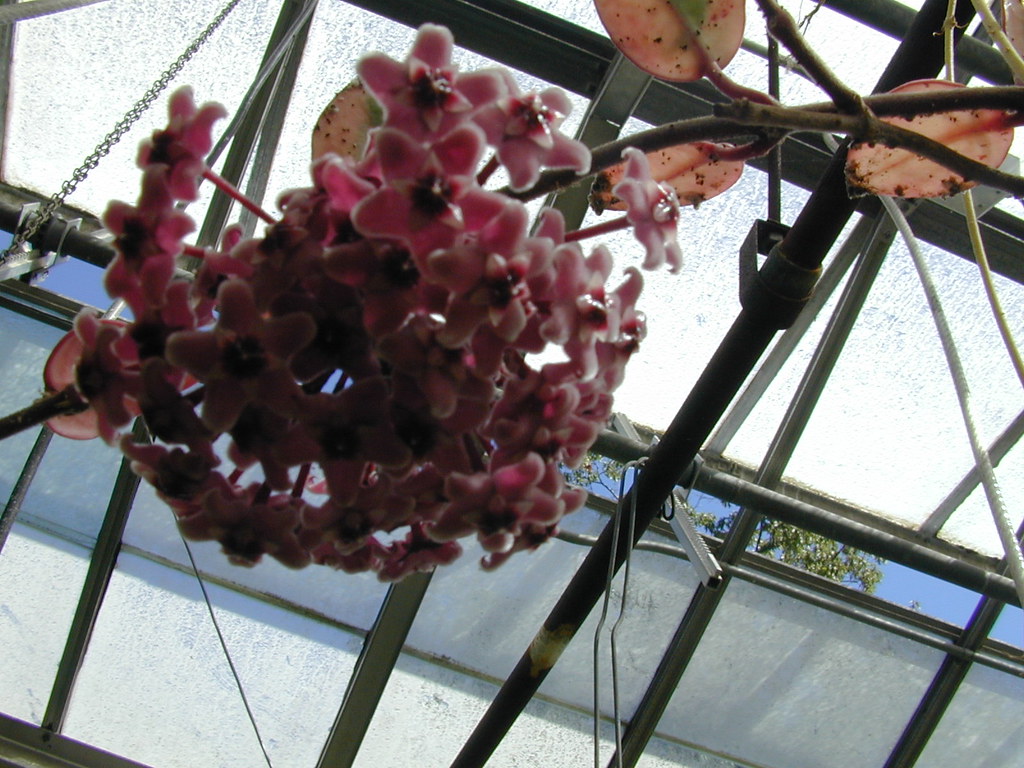
Hoya, or "Wax plant" as it is commonly known, is a member of the Asclepiadaceae family or Milkweed family. Flowers are pinkish white with a red cental crown. They are fragrant and should not be removed after they pass as new blooms appear on old spurs, year after year.
posted by Jane Young @ 9:39 AM
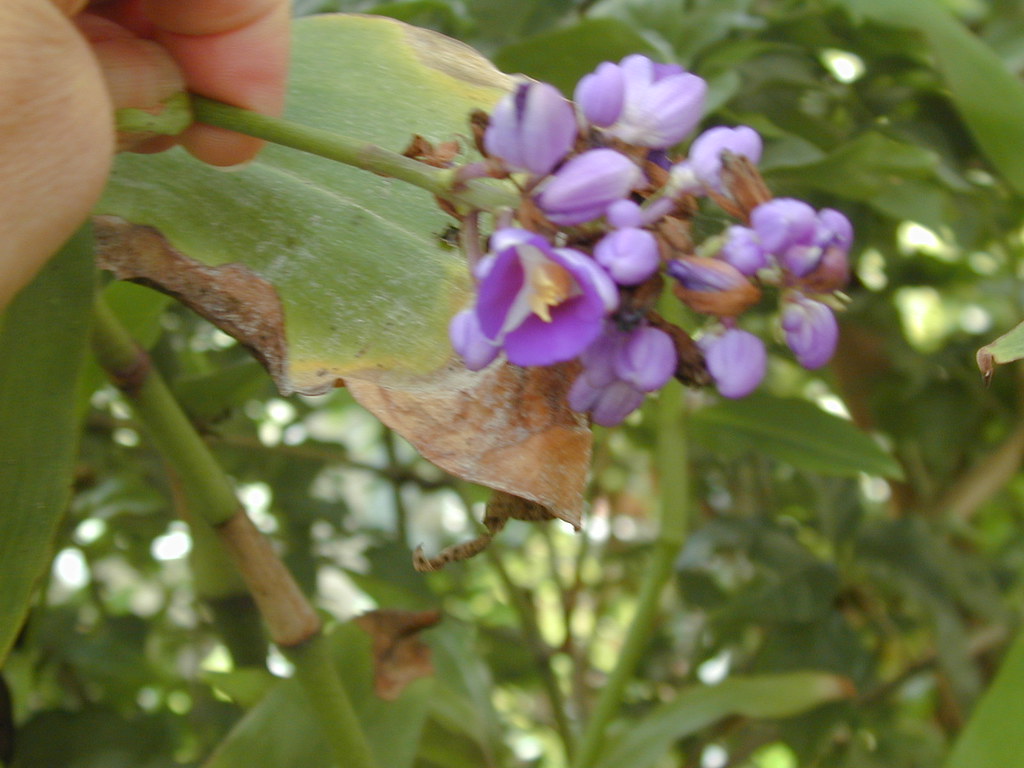
"Blue ginger", as this native of Brazil is called, is a member of the Commelinaceae family. It is a herbaceous plant with deep blue flowers and yellow anthers.
posted by Jane Young @ 10:19 AM
Capsicum annuum conoides is also called "Christmas pepper". A member of the Solanaceae family, the small white flowers develop into ornamental yellow fruit which turn to bright red when ripe. If kept watered and in a sunny location, this plant will continue to flower and produce fruit year after year.
posted by Jane Young @ 12:50 PM
Blooms of Hoya carnosa almost appear to be made of wax, hense the common name of "Wax plant".

posted by Jane Young @ 9:40 AM
Clerodendrum thomsonae, also called "Bleeding-heart vine", has quilted, papery leaves. The flowers have an inflated calyx and a red corolla. This plant is a member of the Verbenaceae family and originates in Tropical West Africa and the Congo.

posted by Jane Young @ 1:20 AM
Flowers of Ornithogalum (Liliaceae family) are white with a green median stripe.
posted by Jane Young @ 3:17 PM
This Phalaenopsis orchid is easy to care for if given low light, warm temperatures and high humidity.

posted by Jane Young @ 11:00 AM
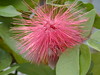
This is a close-up photo of the inflorescence on the Calliandra emarginata.
posted by Jane Young @ 11:12 AM
Calliandra emarginata is a member of the Leguminosae family. The "miniature powder puff", as it is called, has inflorescence that, when pollinated, produce beans.
posted by Jane Young @ 11:11 AM
Streptocarpus is a member of the Gesneriaceae family and is also known as "Cape primrose".

posted by Jane Young @ 10:03 AM
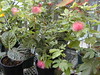
Calliandra haematocephala, or "Pink powder-puff", is native to So. Brazil and is a member of the Leguminosae family. Known for its crimson stamens, this plant blooms from December to April.

posted by Jane Young @ 11:13 AM
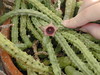
Stapelia is a member of the Asclepiadaceae family. This species has very small flowers compared to that of others, some blooming to a size of 40 cm across. Having flies as pollinators, the flowers give off the odor of rotting meat.
posted by Jane Young @ 2:05 PM
Coleus is a member of the Labiatae family and is known for its colorful foliage. Flowers are frequently removed to keep the foliage brilliant. Pinching is required to keep plants bushy.

posted by Jane Young @ 9:35 AM
A member of the Asclepiadaceae family, Ceropegia debilis originates in Rhodesia, Zambi, and Malawi. The narrow succulent leaves lends the common name of "Needle vine". Small inverted trumpet-like flowers appear year round.

posted by Jane Young @ 1:23 PM
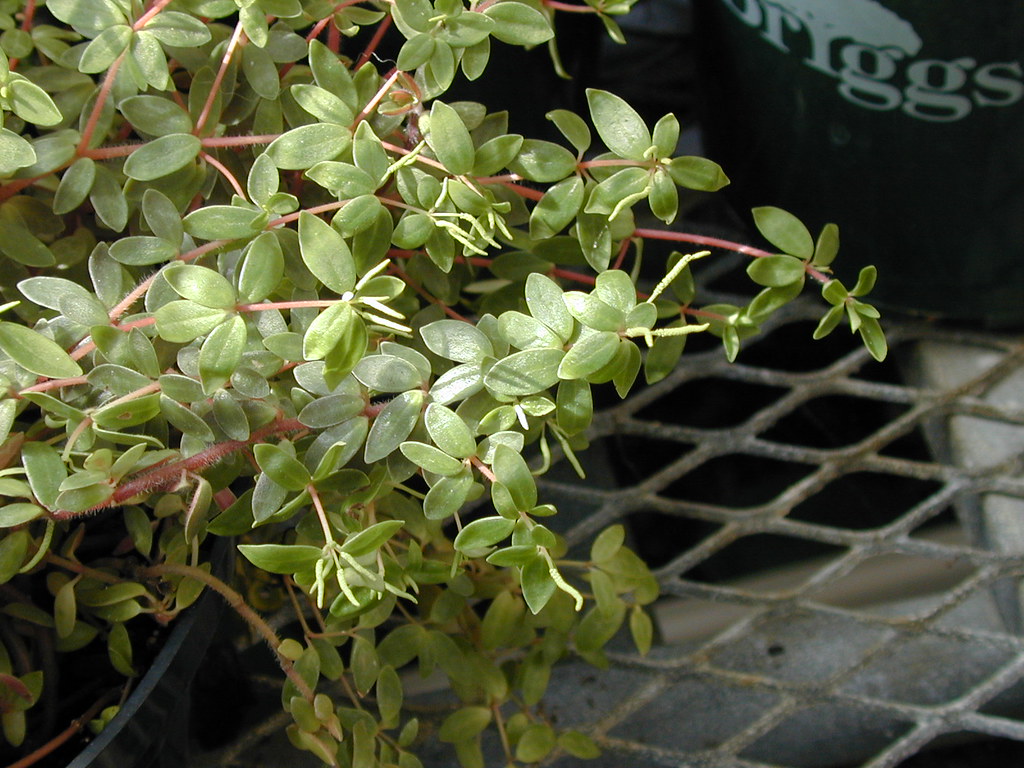
Peperomia rubella, a member of the Piperaceae family, orginates in Mexico and Orizaba. Although at first glance as dissimilar to other Peperomias, the tiny "rat tail" structures bearing the bi-sexual flowers are an immediate clue to Piperaceae affiliation.
posted by Jane Young @ 1:13 PM
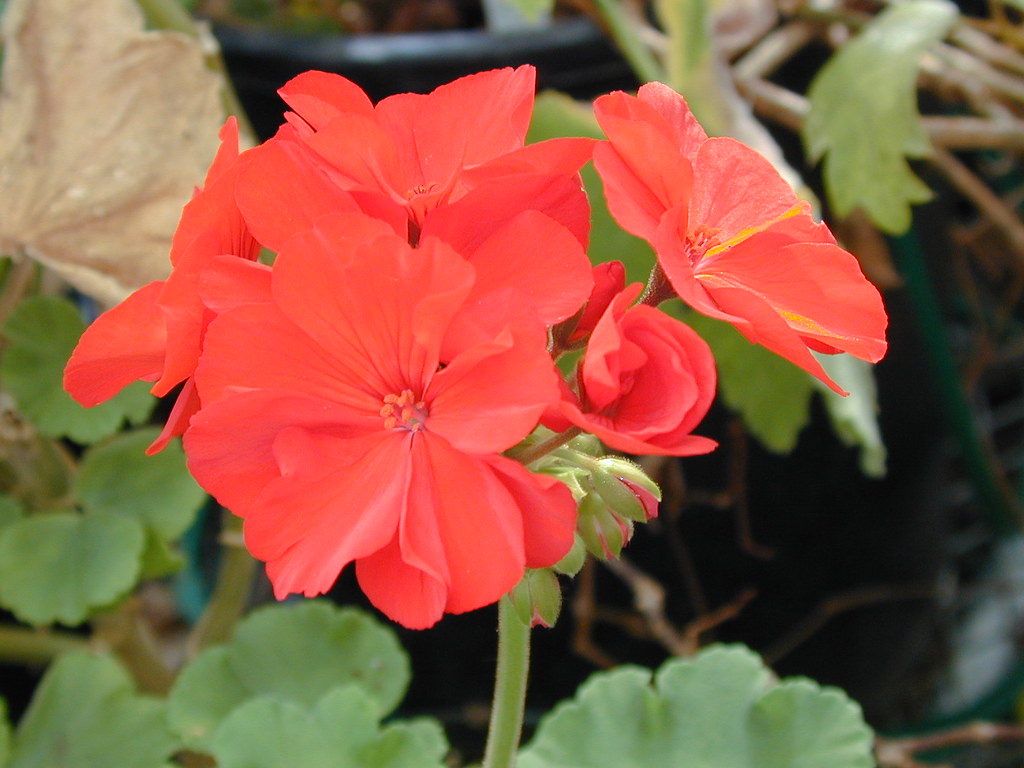
Pelargonium or Geranium is a member of the Geraniaceae family and are subtropical herbs from semi-arid areas of South Africa.
posted by Jane Young @ 10:23 AM
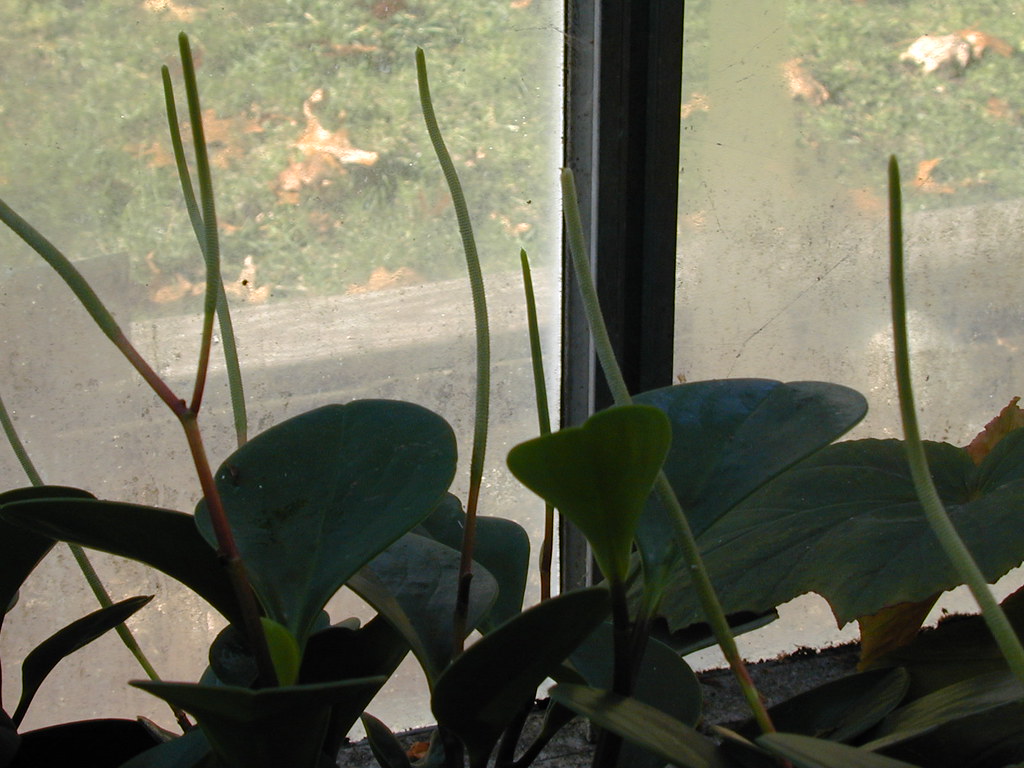
"Baby rubber plant", as this member of the Piperaceae is known, has bisexual flowers borne on catkin-like spikes.
posted by Jane Young @ 10:40 AM
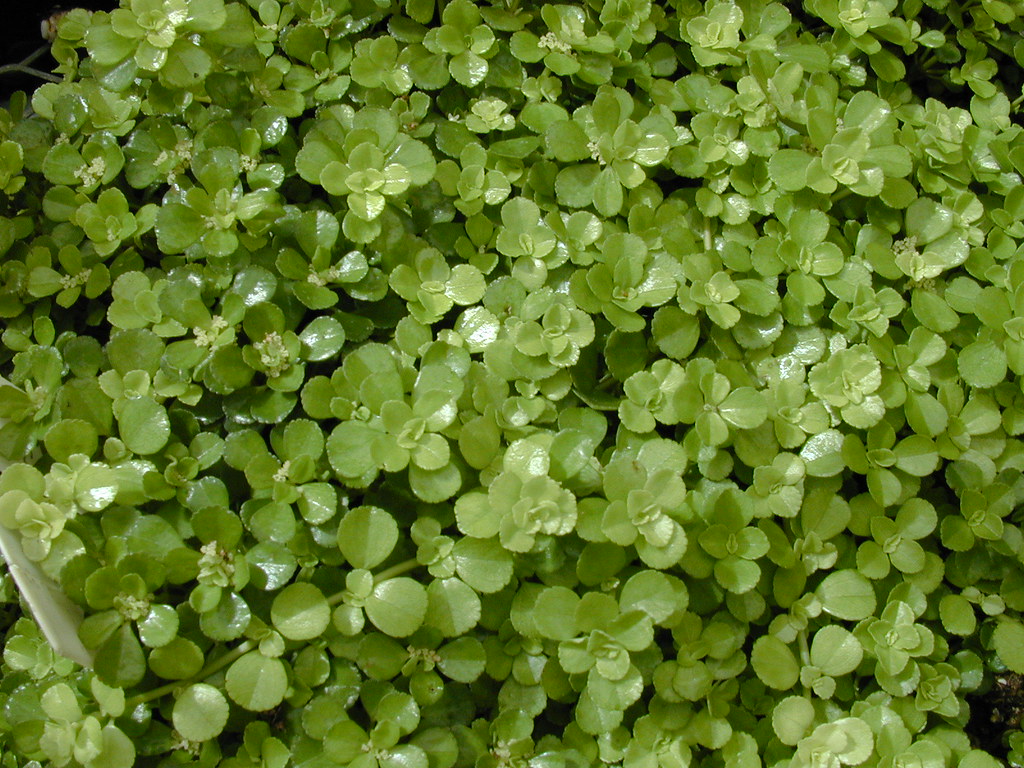
Originating in Puerto Rico, Pilea depressa belongs to the Urticaceae family. This "Miniature peperomia" creeps along the soil, sending out new roots at the nodes. Flowers are greenish and insignificant.
posted by Jane Young @ 9:33 AM
Begonia coccinea or "Angelwing begonia" is a member of the Begoniaceae family which blooms consistently.
posted by Jane Young @ 9:54 AM